
7 Things Couples Should Know About Tented Weddings
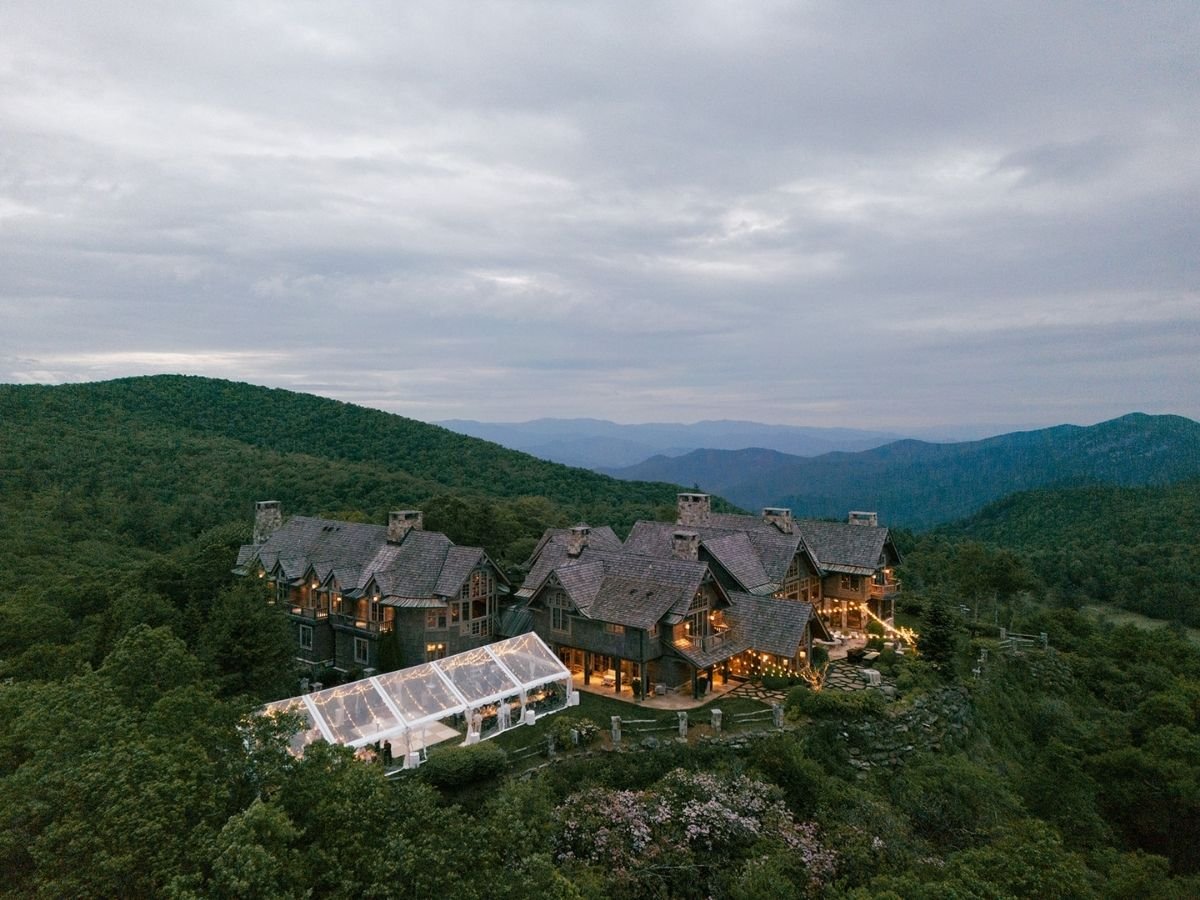
Photo: Laura Watson
Tented weddings have a unique appeal: the soft glow of a canopy at dusk, a dance floor open to the night air, or a celebration built in a place that holds special meaning. Wedding tents offer one of the most personal and beautiful ways to celebrate your love story, and over the years, I've planned and produced weddings throughout the Southeast. It has become one of my favorite kinds of celebrations to design.
When couples first come to me dreaming of a tented wedding, they often picture the tent as the venue. In reality, the tent is just the beginning. A tented wedding isn’t something you simply book—it’s something you build. And while that’s exactly what makes it so special, it’s also why these celebrations require a different kind of planning and a team that knows how to think several steps ahead. If a tented wedding is calling your name, here are the seven things I want every couple to understand before you begin.
Photos: Jessica Gold
1. A Tented Wedding Means Building Your Venue From the Ground Up
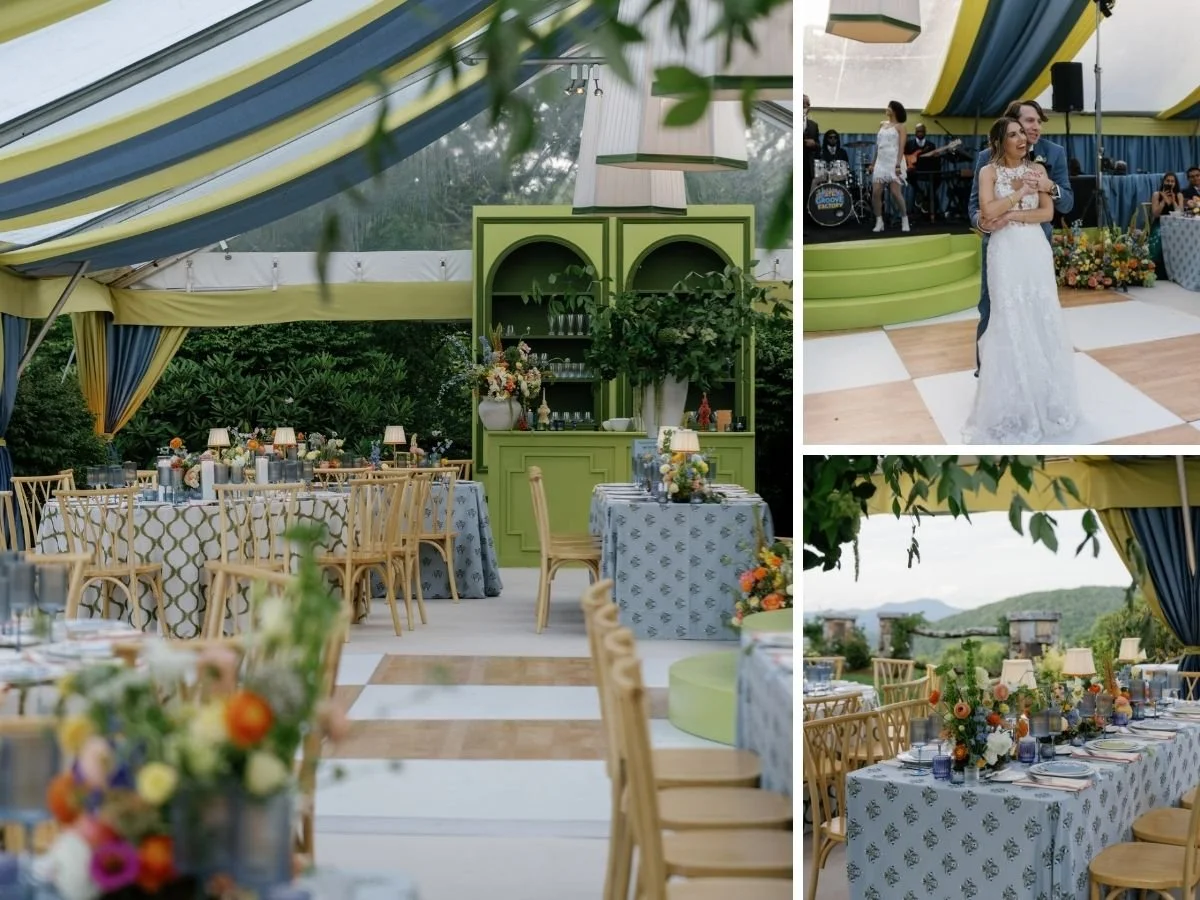
When you reserve a traditional venue, so much is already in place for you: walls, floors, climate control, lighting, restrooms, parking, and more. A tented wedding starts with an empty field, lawn, or estate, and everything a venue would normally provide has to be intentionally designed and brought in. That means flooring so your guests aren’t navigating uneven ground in their best shoes. It means lighting that carries you from a sunny ceremony into a candlelit dinner. It means power to run the kitchen, the band, and every string of bistro lighting overhead. It means heating or cooling, restrooms, and a hundred small details most guests will never notice, which is exactly the point. The beauty of a tented wedding is that it can feel completely effortless. Achieving that takes a great deal of work behind the scenes.
2. Your Tent Budget Includes More Than the Tent Itself
This is the conversation I have most often, so let’s have it early: the number your tent company quotes you is rarely just for the tent. Because you’re building a venue from scratch, your budget will include the full inventory needed to create the space plus the labor to install it, maintain it throughout the celebration, and strike it once the last guest has gone home. A tent isn’t dropped off and picked up like a set of chairs—it’s engineered, raised, dressed, watched over, and dismantled by a skilled crew, and all of that is part of your investment.
Understanding each line item of your tent budget from the very beginning keeps your expectations grounded, and it’s one of the first things I help my couples map out to avoid surprises down the road.
Photos: Laura Watson
3. Your Weather Contingency Plan Should Shape Your Design
The smartest tented weddings don’t treat weather as an afterthought to plan around—they let it guide the design from the start.
A few of the questions I always ask:
Is the tent also the rain plan for your ceremony? If so, we need to design a space that can transform gracefully rather than scramble at the last minute.
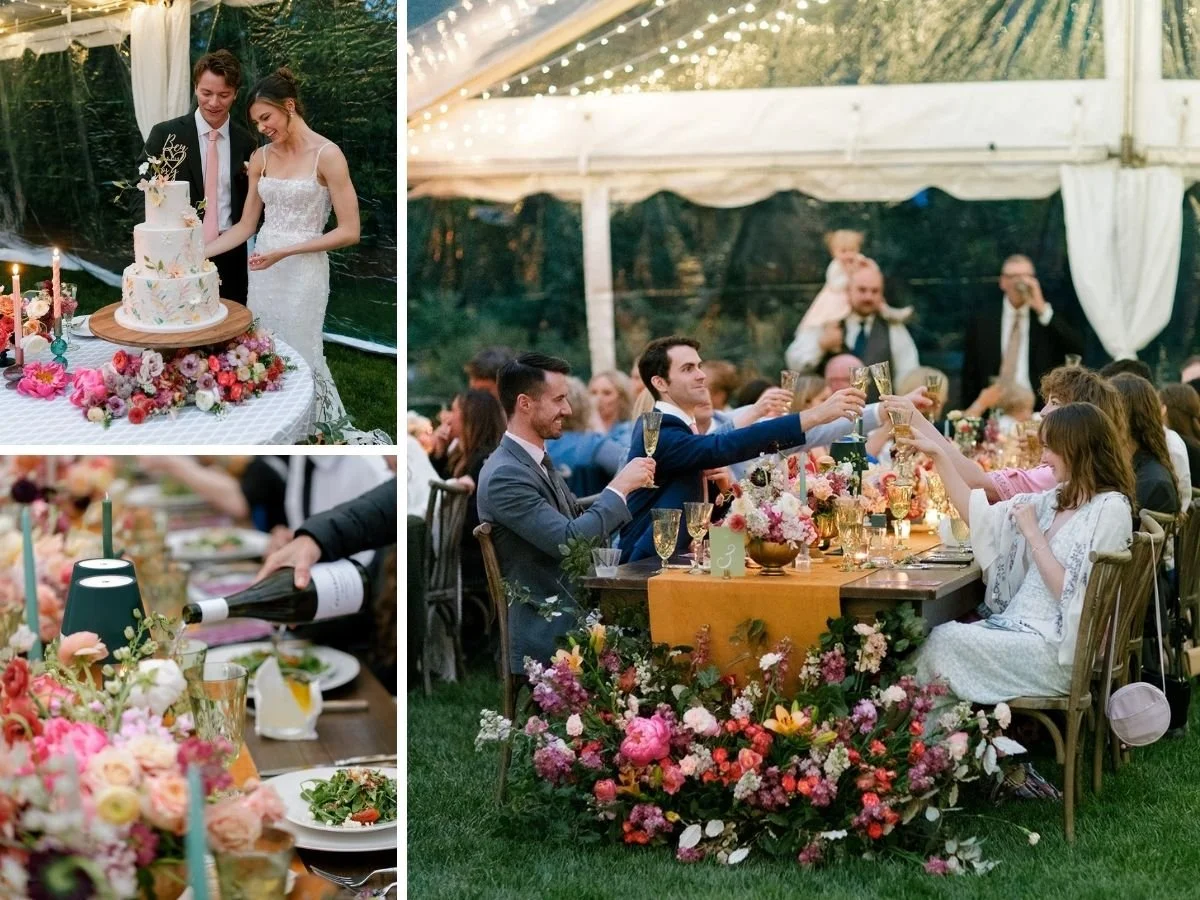
Will it be warm? A clear-top tent looks dreamy in photos, but under a Southern afternoon, it can turn into a greenhouse, so we have to be intentional about when and where we use one.
Is the site naturally windy or low-lying? That can affect everything from the style of tent to how we anchor and dress it.
Designing with it rather than against it is what keeps a celebration feeling calm and seamless, no matter what the forecast decides to do.
4. Guest Comfort Should Drive Every Design Decision
A tented wedding is an exercise in hospitality. The layout that looks loveliest on paper isn’t always the one that feels best to move through, and your guests’ experience should sit at the center of every choice.
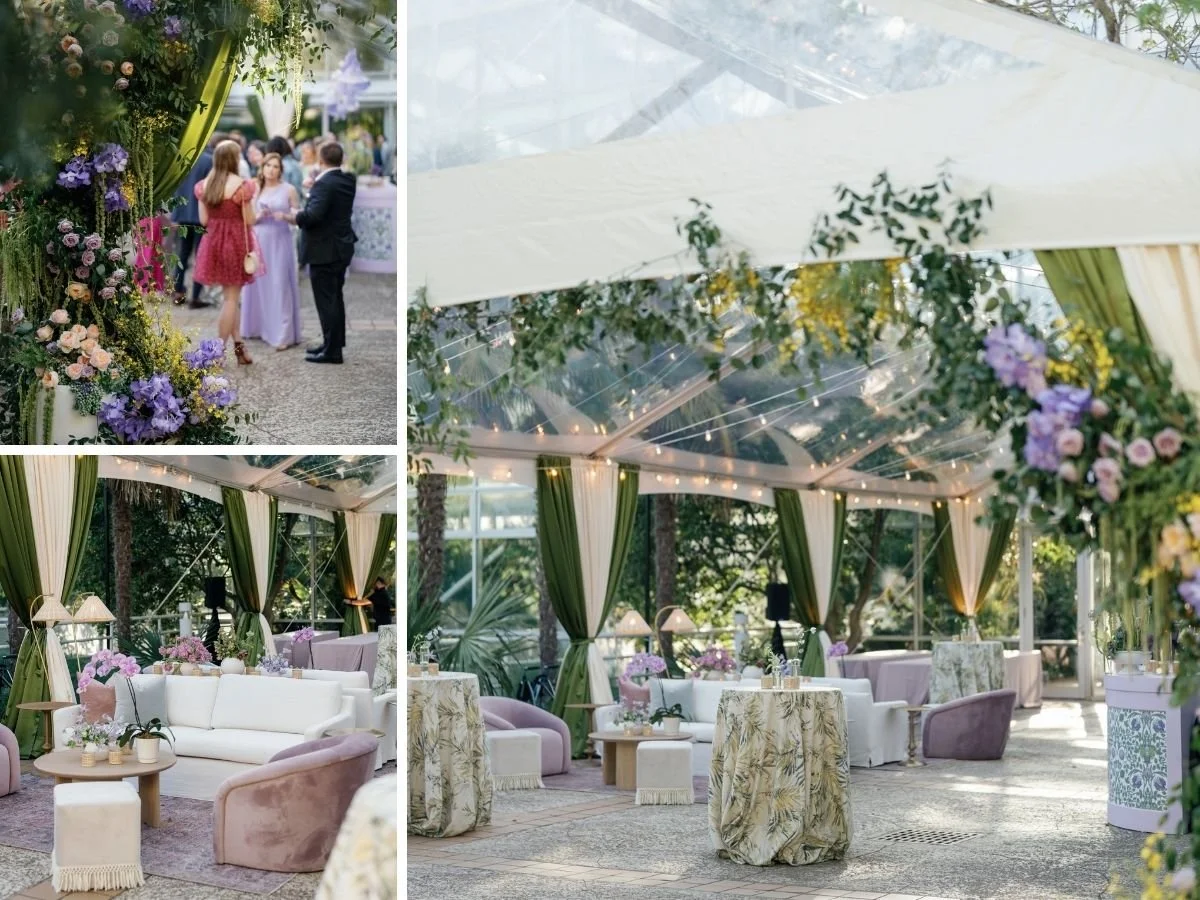
I think about how easily guests will flow from cocktails to dinner to the dance floor, whether they’ll be comfortable in the temperature and in their formal attire for several hours. Whether there’s genuinely enough room—not just to be seated, but to breathe, mingle, and dance. Even the distance between the tent and the catering kitchen matters, because it directly affects how quickly and beautifully your dinner is served. These are some of the invisible details that separate a wedding that looks gorgeous from one that feels gorgeous, and they’re worth getting right.
Photos: The Willetts
5. A Tented Wedding Is a Multi-Day Build, So Plan the Logistics First
A tent build is rarely a single-day affair. Raising the structure, laying the flooring, running power, hanging lighting, and installing and dressing the space is a multi-day process, and the same is true when it all comes down.
This is why the best tented wedding planning doesn’t begin with the décor. It begins with the logistics of load-in and strike. When can vendors access the property? In what order does everything need to arrive and be built? How much time does each layer require before the next can begin? When I take on a tented celebration, this choreography is the very first thing we solve. The pretty parts—the florals, the linens, the candlelight—get to be the joyful finishing touch precisely because the foundation underneath it has been so carefully planned.
6. Don’t Forget the Back-of-House
A polished celebration depends on a well-considered space that your guests will never see. In a tented wedding, you have to create that, too.
Where will your caterer set up their kitchen, and how will their team move in and out without crossing through your reception? Where will vendors store their equipment, cases, and supplies during the event? How will the service flow behind the scenes so that everything reaches your guests warm, timely, and seamlessly? At a traditional venue, these answers are built in. Under a tent, they’re part of the design, and planning for them early protects both the quality of your guest experience and the calm of your celebration.
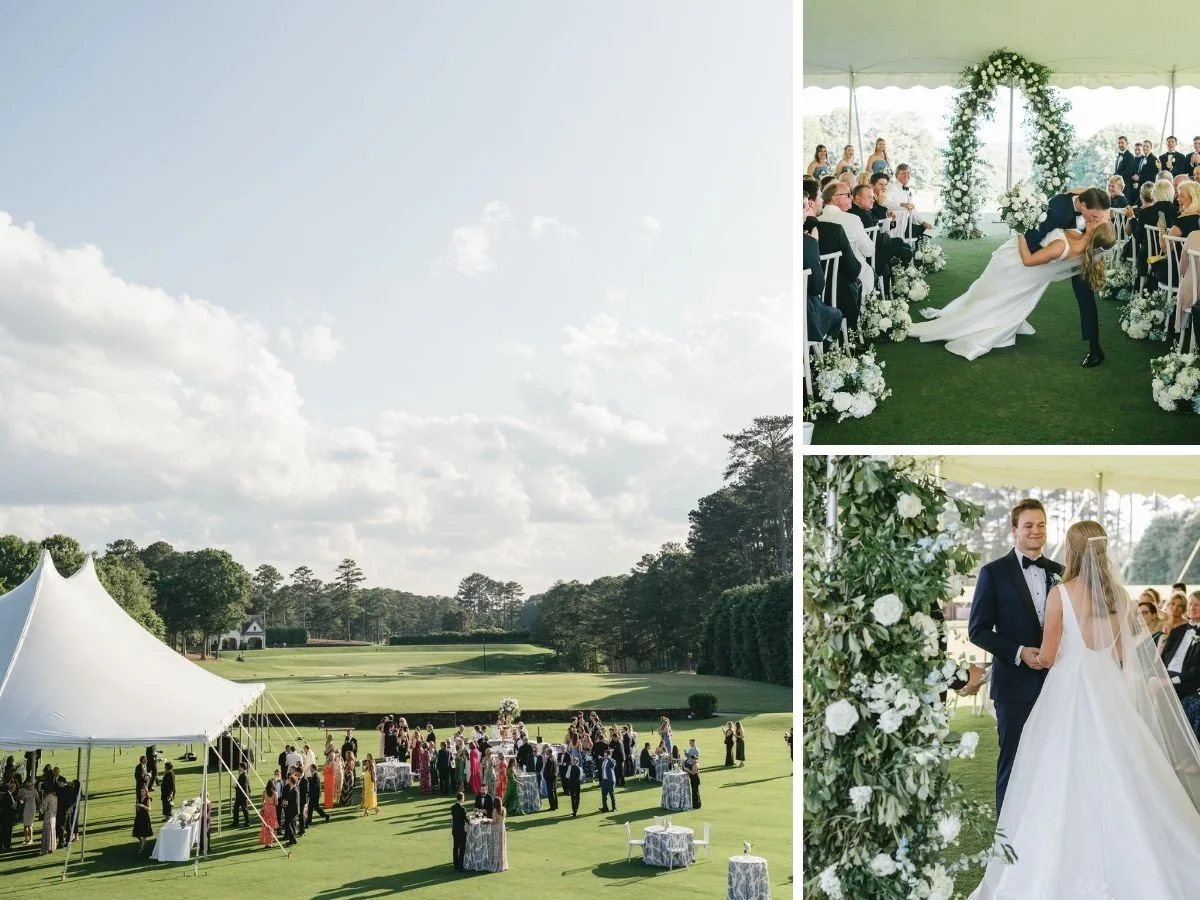
Photos: Jessica Gold
7. Done Well, a Tented Wedding Gives You Total Creative Control
Now, for my favorite part! Yes, a tented wedding asks more of you. But in return, it offers something no built venue ever can: a completely blank canvas. From the flooring beneath your feet to the installations overhead and every detail in between, you are designing your dream venue from the ground up. Nothing is borrowed from someone else’s aesthetic. Nothing has to be worked around. Every choice can be tailored to you—your story, your style, and the way you want the day to feel. When it’s planned with care and produced by a team that has done it before, a tented wedding becomes one of the most personal and breathtaking ways to celebrate. And helping couples build something singular is exactly why I love this work.
A Few Questions I Hear Often About Tented Weddings
How much does a tented wedding cost?
It varies widely depending on the guest count, location, the style and size of the tent, and the infrastructure your site requires. The most important thing to remember is that the tent is only one line item: flooring, lighting, climate control, power, restrooms, labor, and rentals all factor in.
Is a tented wedding more work than a traditional venue?
In terms of planning, yes, because you’re creating a venue rather than reserving one. But that’s also where a planner earns their keep. With the right team managing the logistics, the experience can feel just as seamless as that of a built venue, with far more room for personalization.
How far in advance should I start planning a tented wedding?
As early as you can. Because tented weddings involve more vendors, more coordination, and a multi-day build, the extra runway gives us time to design thoughtfully and secure the right partners.
Dreaming of a Tented Wedding?
If you’re imagining a celebration under the open sky, I would love to help you bring it to life. Designing and producing tented weddings across Atlanta, the Carolinas, and beyond is some of the most rewarding work I do. Reach out today to start the conversation. I can’t wait to hear about what you’re dreaming up.